Skip to Content

Sur, Oman

WHY SUR IS WORTH THE STOP

Sur is best understood through its relationship with the sea.
Start where traditional wooden dhows are still built, continue through Al Ayjah and the old harbour, then follow the coast towards Ras Al Jinz and its protected turtle nesting grounds.
One to two nights is usually enough to connect Sur's craft, maritime heritage and wildlife without turning the stop into a checklist.

WHEN

November to April

HOW LONG

1 to 2 nights

PHYSICAL RATING

2 out of 10
Podcast cover: Travel to Sur

WAVE STORIES · SUR

BETWEEN THE DHOW YARD AND THE TURTLE COAST

Listen to Sur's story, from hand-built boats and its harbour to the coast of Ras Al Jinz.

00:00 00:00

WHAT TO SEE AND DO IN SUR

Begin at the dhow building yard, where traditional wooden boats keep Sur's maritime heritage connected to a living craft.

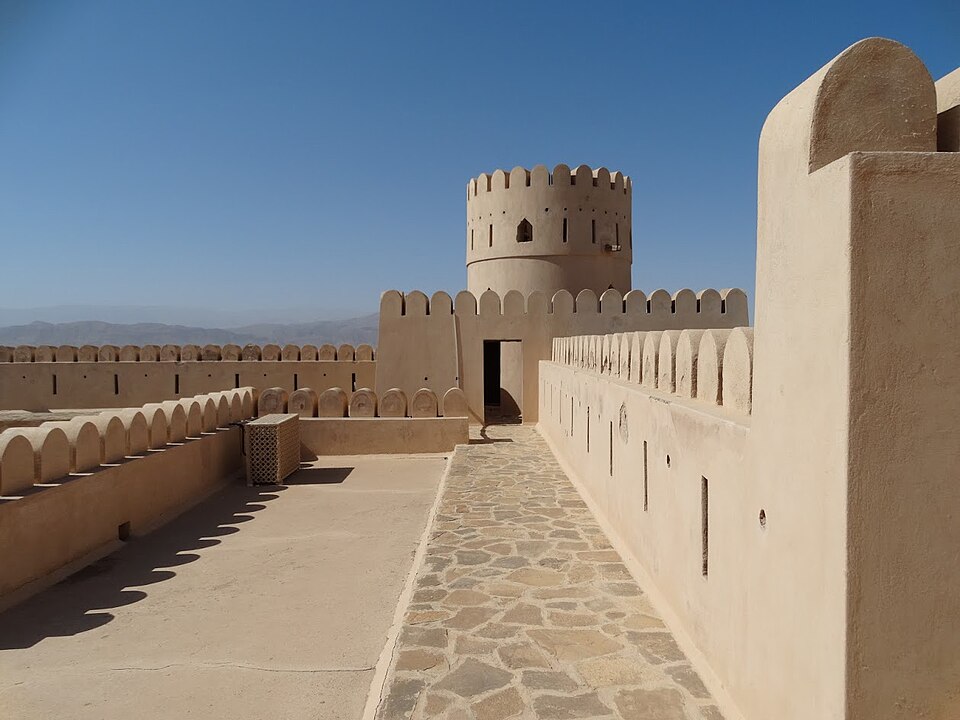
Continue through Al Ayjah, with its lighthouse, watchtowers and harbour setting, before adding historic Sunaysilah Fort to the route.

READ MORE + READ LESS -

Then head towards Ras Al Jinz. Here the focus shifts from maritime heritage to conservation, with guided visits to protected green-turtle nesting grounds. Wildlife sightings are never guaranteed.

SUR, SHAPED BY THE SEA

THE CRAFT

Sur's dhow yard is more than a heritage stop. Wooden boats are still built here, keeping a maritime skill associated with the city alive rather than confined to a museum.


THE HARBOUR

Al Ayjah, its lighthouse and the harbour reveal how closely Sur developed around the water. Sunaysilah Fort adds the defensive history behind the maritime town.


THE WILDLIFE

At Ras Al Jinz, the coast becomes a protected wildlife environment. Turtle encounters are possible throughout the year, while nesting activity becomes more significant during the warmer months. Sightings remain dependent on nature.


BEFORE YOU GO

Plan Sur and Ras Al Jinz as one journey rather than separate stops:

  • Allow time for the dhow yard and Al Ayjah rather than treating them as quick photo stops.
  • Check current visitor arrangements for forts and heritage sites before travel.
  • Plan Ras Al Jinz around its guided conservation programme.
  • Turtle sightings are never guaranteed.

Best Time to Visit Sur

  • November to April: Our preferred all-round period for Sur, with cooler conditions for the dhow yard, harbour and historic sites while still allowing Ras Al Jinz to be included.

  • May & October: Both can work, but warmer conditions make early sightseeing and a slower daytime pace more important.

  • June to September: Not our preferred period for a conventional city-led stay, but the wildlife picture changes. Warmer months are associated with stronger turtle nesting activity, making Ras Al Jinz a more important reason for travelling.

 BUILD SUR AROUND THE COAST

Tell us whether Sur is an overnight stop, a maritime experience or part of a longer Oman route, and we'll plan the timing around it.

WHO THIS TRIP SUITS

Sur suits travellers who value Omani heritage, living craft and wildlife more than a long sightseeing list. It works particularly well for couples, families and travellers combining the city with Ras Al Jinz.

STAYING THERE

The main choice is whether to stay in Sur itself or closer to Ras Al Jinz.

  • Sur: Best when the dhow yard, harbour and Al Ayjah are central to the stay, or when Sur forms part of a wider road journey.
  • NEAR RAS AL JINZ: Better when the turtle experience is the priority and you want to reduce late-night or early-morning travel.

FAQS


One to two nights suits most travellers. Add the second night when you want more time for Sur itself rather than focusing mainly on Ras Al Jinz.
Sur is known for its maritime heritage, traditional dhow building, Al Ayjah and its connection with Ras Al Jinz Turtle Reserve.
November to April offers the best overall balance for the city and coast. Warmer months become more relevant when turtle nesting is the main reason for travelling.
Turtle encounters are possible throughout the year, but sightings are never guaranteed and nesting activity varies by season.
Yes, particularly when Ras Al Jinz is part of the journey. Staying overnight also gives Sur's harbour and maritime heritage more time than a quick transit stop.