CAMBODIA
TAILOR-MADE CAMBODIA JOURNEYS
WHY TRAVEL TO CAMBODIA WITH WAVE HOLIDAYS?
Ancient Khmer sites, river cities and a quiet southern coast give Cambodia unusual range.
Angkor deserves more than a single sunrise: its temples, reservoirs and forested routes reward time with a knowledgeable guide. Phnom Penh adds contemporary city life and difficult modern history, while Tonle Sap and rural routes reveal how water shapes everyday life.
We plan Cambodia around temple pacing, heat and realistic road journeys. A focused itinerary can pair Siem Reap with Phnom Penh, the Cardamom Mountains or the southern islands without reducing the country to a brief stop between neighbours.
PLAN YOUR CAMBODIA JOURNEY
Tell us how you want to experience Cambodia, and we’ll shape the temples, cities and landscapes around you.
WHAT TO SEE AND DO IN CAMBODIA
Cambodia rewards travellers who give its temples, cities and quieter landscapes enough time.
ANGKOR AND PHNOM PENH
Angkor is an extensive archaeological landscape rather than one monument. Temple routes are strongest when spread across several days, with a guide helping to connect architecture, history and the surrounding water system.
Phnom Penh brings the Royal Palace, riverfront neighbourhoods and sites linked to Cambodia’s recent history. The city needs sensitive interpretation and enough time beyond a single transfer night.
TONLE SAP, CARDAMOMS AND COAST
The Cardamom Mountains offer rainforest and conservation-focused stays, while Cambodia’s southern islands add a quieter coastal finish. Travel times make both better suited to an itinerary with sufficient nights.
THE BEST OF CAMBODIA
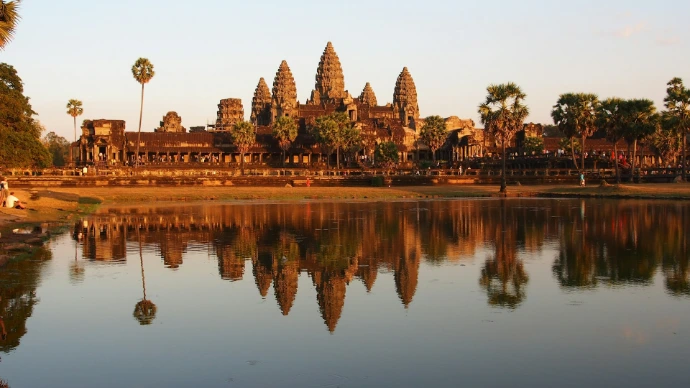
SIEM REAP & ANGKOR
Temple landscapes and contemporary Khmer culture.
Siem Reap is the base for Angkor, but its markets, workshops and food scene add a modern counterpoint.
Spread temple visits across several days and vary major monuments with quieter routes.
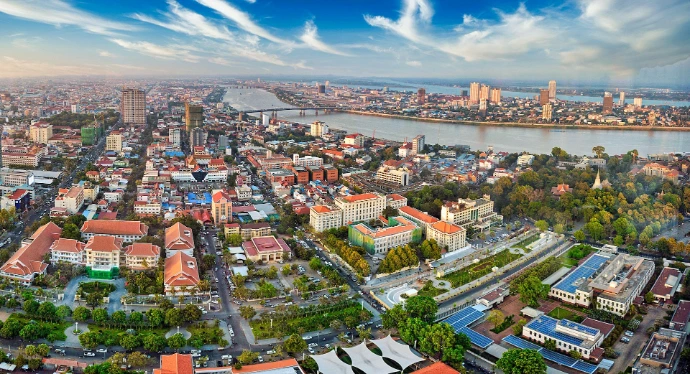
PHNOM PENH
Riverfront life, architecture and layered history.
Cambodia’s capital brings together the Mekong and Tonle Sap, royal and colonial architecture, and a fast-changing food scene.
Allow sensitive guided time for modern history alongside museums, markets and the riverfront.
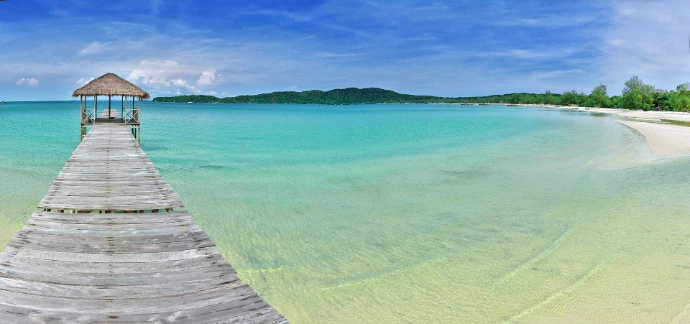
THE SOUTHERN ISLANDS
Jungle-backed beaches and a slower finish.
Cambodia’s Gulf islands offer small-scale resorts, forested interiors and calm stretches of coast.
Choose the island and transfer plan carefully, then leave enough nights to justify the journey south.