BRAZIL
TAILOR-MADE BRAZIL JOURNEYS
WHY TRAVEL TO BRAZIL WITH WAVE HOLIDAYS?
Rainforest, wildlife, cities and coastline make Brazil a journey of remarkable contrasts.
Brazil spans very different travel regions: Rio’s urban coastline, the Amazon’s river systems, the Pantanal’s open wetlands and Bahia’s historic towns and beaches. A strong itinerary chooses a few complementary regions rather than treating the country as one continuous circuit.
Domestic flights often connect the major regions, so pace and season are central to good planning. We shape each journey around wildlife priorities, cultural interests and time by the coast, while keeping transfers proportionate to the experience.
PLAN YOUR BRAZIL JOURNEY
Tell us which sides of Brazil interest you, and we’ll shape the regions, stays and pace around you.WHAT TO SEE AND DO IN BRAZIL
Brazil rewards travellers who combine distinct regions without rushing the connections between them.
RIO, IGUAÇU AND THE SOUTH
Rio combines neighbourhood life, Atlantic beaches and dramatic viewpoints, while Iguaçu adds a powerful natural contrast on the border with Argentina. Flights make the pairing practical when each place has enough time.
Southern routes can also include colonial towns, vineyards or wildlife-rich coastlines. The right combination depends on season and whether culture, food, beaches or nature should lead the journey.
AMAZON, PANTANAL AND BAHIA
The Amazon is best approached through its rivers, with guided boat journeys and forest walks revealing a landscape shaped by water. Lodge location and travel time from Manaus strongly affect the experience.
The Pantanal offers more open wildlife viewing, while Bahia brings Afro-Brazilian history, music and coastline. Combining them creates contrast, but requires a carefully paced flight plan.
THE BEST OF BRAZIL
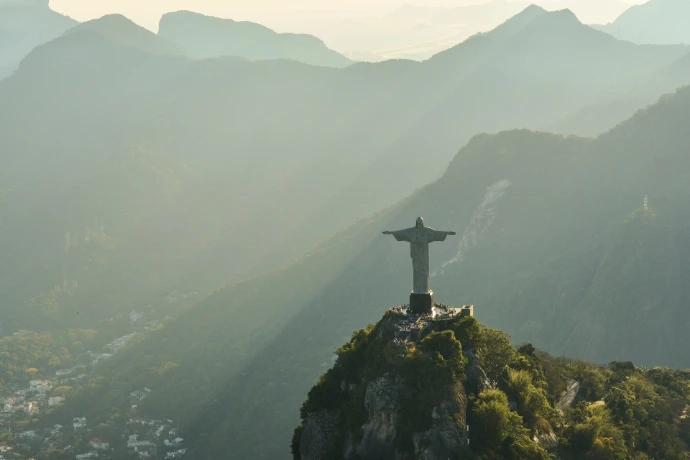
RIO DE JANEIRO
Beaches, neighbourhoods and mountain viewpoints.
Rio’s geography brings city life, forested hills and the Atlantic coast into one compact setting.
Balance the major viewpoints with guided neighbourhood time, music, food and unhurried hours by the water.
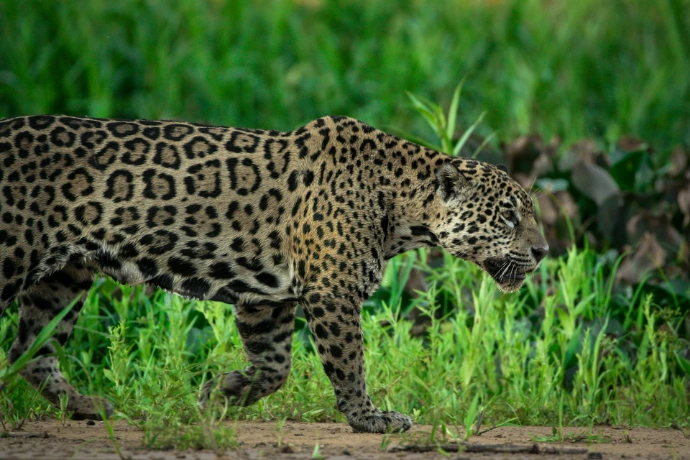
THE PANTANAL
Wetland wildlife and seasonal landscapes.
The Pantanal’s open habitats make wildlife easier to observe than in denser forest, with river and vehicle activities varying by lodge.
Choose the northern or southern Pantanal around access, season and wildlife priorities rather than trying to cover both quickly.
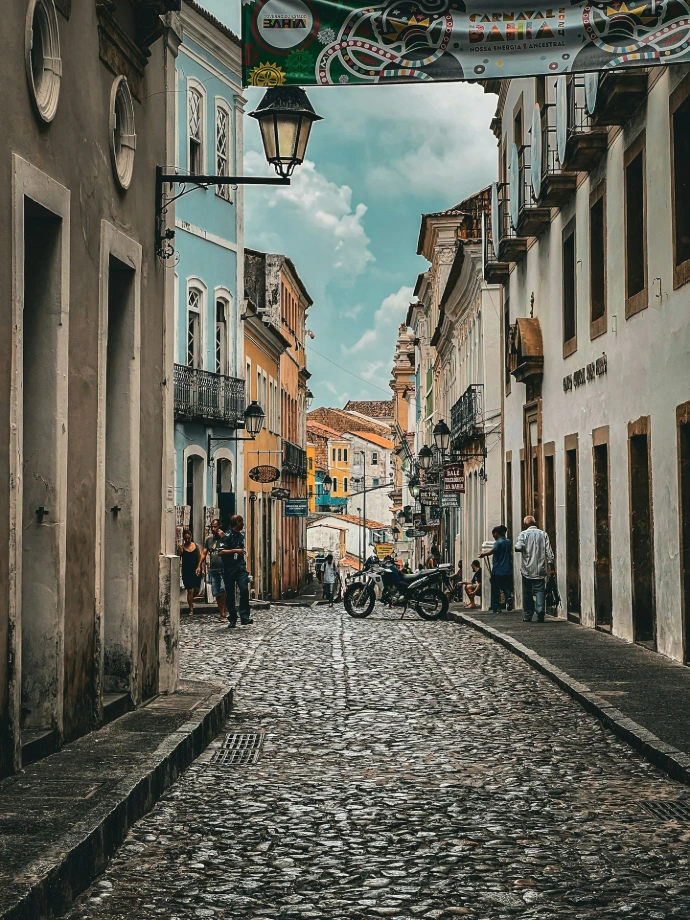
BAHIA
Historic cities, Atlantic culture and coastline.
Salvador and Bahia connect Afro-Brazilian history, distinctive food traditions and a long coastline of towns and beaches.
Combine cultural time in Salvador with a carefully chosen coastal stay, leaving enough time for the journey between them.