BHUTAN
TAILOR-MADE BHUTAN JOURNEYS
WHY TRAVEL TO BHUTAN WITH WAVE HOLIDAYS?
Paro, Thimphu and Punakha connect monasteries, valleys and living traditions.
Paro opens into a broad valley of farms, temples and mountain roads. Thimphu brings government, craft and contemporary life together, while Punakha changes the climate and landscape around its riverside dzong. The distances are modest on a map, but winding roads make pacing essential.
A thoughtful Bhutan journey leaves room for monasteries, village walks and changing elevations. We shape the route around your interests and walking ability, using private guidance for cultural context and avoiding unnecessary backtracking.
PLAN MY BHUTAN JOURNEY
PLAN YOUR BHUTAN JOURNEY
Tell us how you want to experience Bhutan, and we’ll shape the valleys, cultural visits and walking days around you.WHAT TO SEE AND DO IN BHUTAN
Bhutan rewards patient travel, with time for valleys, dzongs and monastery paths.
PARO, THIMPHU AND PUNAKHA
Paro is often the first and final valley, with traditional farmhouses, temples and the trail to Taktsang monastery. Thimphu adds museums, craft workshops and the rhythm of a working capital.
Across the Dochula Pass, Punakha sits at lower elevation and a warmer climate. Its dzong stands where two rivers meet, making the valley a natural contrast to Paro and Thimphu.
TAKTSANG AND THE HIGH VALLEYS
The walk to Taktsang, commonly known as Tiger’s Nest, is a demanding but defining day above the Paro Valley. The route should be paced for fitness, altitude and time at the monastery.
Longer journeys can continue east toward Gangtey or Bumthang, where forested valleys, village walks and active religious sites create a quieter rhythm than the western circuit.
THE BEST OF BHUTAN
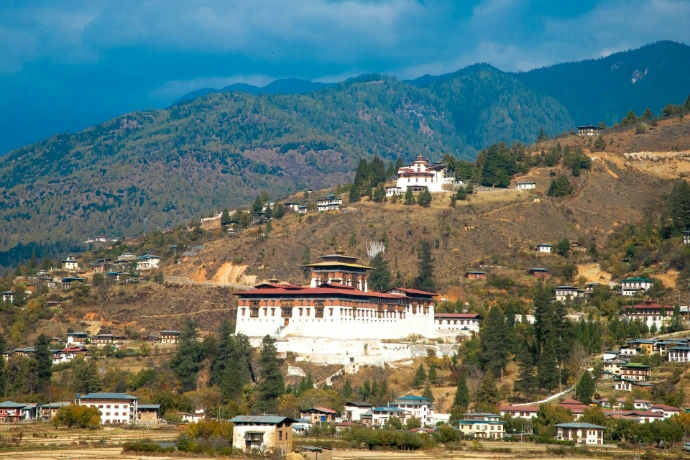
PARO
Valley walks and the Taktsang trail.
Paro balances traditional architecture, farmland and important religious sites within a compact valley.
Allow a full day for Taktsang and keep another for the valley rather than treating Paro only as an airport stop.
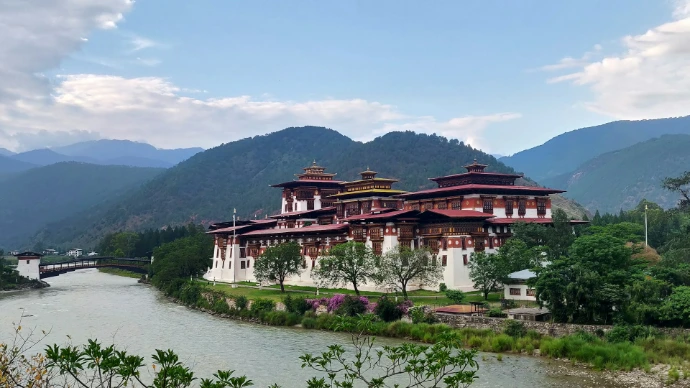
PUNAKHA
Rivers, warmer valleys and a landmark dzong.
Punakha changes the pace after the high pass from Thimphu, with riverside walks and a milder landscape.
The dzong is central to the visit, but the wider valley deserves time for villages, fields and shorter walks.
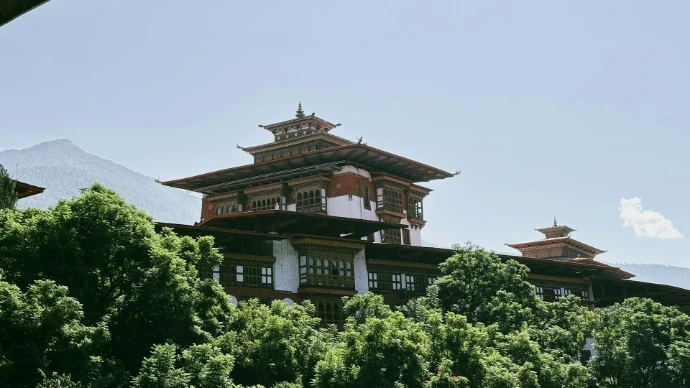
BUMTHANG
Sacred sites across quieter central valleys.
Bumthang is a collection of valleys rather than one stop, with monasteries, villages and rural walking routes.
Reaching it requires more time, but the slower pace works well for travellers who want Bhutan beyond the western circuit.